50% Off Delivery On Orders Over £500 25% Over £350

Kent - Tel 01322-787312
London - Tel 020-8698-4064
Garden Trellis Buyers Guide

There’s a place in every garden where things feel….unfinished. It could be a bare wall, a fence that's too short, or a view you’d rather not have. That's where a trellis could be useful.
Trellis panels are simple frameworks, usually wood, sometimes metal or plastic, that give plants something to climb and help add a bit of character to your garden. They are used for privacy, decoration, and dividing a space without boxing it in.
They’re popular because they do a lot without taking over. A good trellis gives you more greenery, more shade, and more structure without blocking light or air. They can be bold, or subtle, fancy, or plain. Some are purely practical. Others are there to impress.
This guide will walk you through all the important stuff, including what types of trellises are out there, which size works best, where to put them, and how to keep them standing for years.
If you’re growing roses, hiding bins, or just sick of staring at your neighbour's shed, this will help you pick the right panels for the job.
Benefits of Trellis
Let’s be honest. Most fences are boring. A trellis changes that. It adds shape, breaks up big blank spaces, and gives your garden more style without trying too hard.
Looks good
Diamond patterns, clean slats, curved tops. It all adds something. Trellis blends in, lets light through, and still manages to frame a garden nicely.
Supports plant growth
Climbing plants love it. Roses, clematis, sweet peas, they all want something to cling to. Trellis gives them that support. It helps them grow upright instead of trailing across the ground or flopping over pots. Strong panels can even handle heavier plants like wisteria.
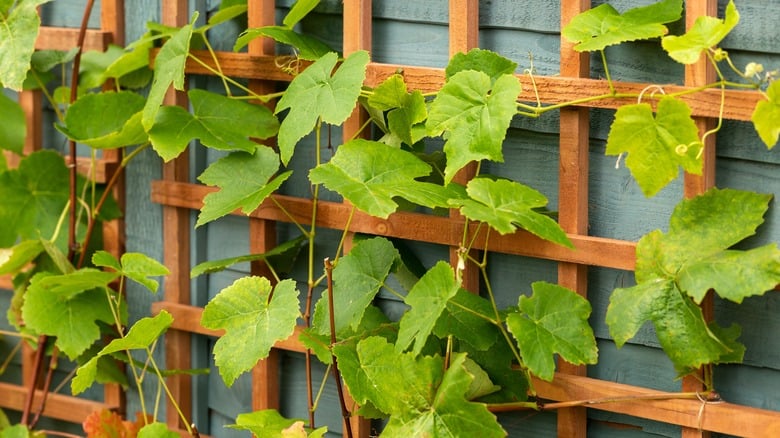
Saves space
Trellis is perfect for small gardens. If you don't have much room to spread out, go up. A trellis turns a flat wall or fence into vertical growing space. That's more greenery, less clutter.
Helps with privacy
Goodbye, nosey neighbour. Trellis doesn’t block everything, but it blocks just enough. Add plants, and it gets even better. You get shade, shelter, and a bit less of next door's life in your face.
Great for wildlife
Bees, butterflies, and birds love climbing plants. Give them the right setup, and they’ll show up. Trellis makes that easier by lifting the plants and propping them up where they can be seen and reached. Give them the right setup for greener living, and they'll show up
Splits up the garden
Trellis can easily split up your garden without making it feel like a wall. It could be used to mark out seating areas, play areas, or give some flow to the garden.

Downsides of Trellis
We can’t just talk about the positives without addressing a few of its downsides. It does a lot right, but it's far from perfect. Here are some things to watch out for.
It needs a bit of upkeep
If you’re going for wood (which most of you probably are). It’ll need checking once a year for signs of wear. It will also need a fresh coat of treatment if you want them looking brand new. It’s not hard work, but it's worth keeping on top of if you want it to last.
Not great in high winds
Trellises have gaps in them, which helps with airflow. Strong gusts can still cause trouble, especially if you have tall panels covered in plants. In windy areas, you’ll want to attach them properly. It all depends what type you have, but the ones on the top of a fence panel are most at risk from wind.
Fancier styles cost more
Your basic square trellis is fairly cheap. But if you want the nicer, decorative touches (arced tops, tighter lattice, etc), then expect to pay more. Not crazy money, but it will add up if you are buying quite a few panels.
Wood needs regular treatment
We did mention this before treating them each year. Make sure you get treated panels, as they will last longer, (All our trellis panels are fully pressure treated) but they will still need care.

Different Trellis Sizes and Their Uses
Trellis panels usually come in one standard width, 6ft across. The height is where things change. Trellis panels range from 1 foot up to 6 feet tall. Each size does a different job, and mixing them together can give you a flexible layout.
6 x 1 Trellis
These are short, wide strips, ideal for adding height to an existing fence without blocking too much light. They are most often used as toppers and sit nicely on top of a panel. Perfect for climbing plants that need support up top. Also handy for finishing off a run of fence with a bit of style.

Slightly taller, but still on the subtle side. These work well on their own for low screening or combined with other panels. You’ll see them behind raised beds, along borders, or on walls where you don't want full coverage but still need something functional.

Mid-range panels like these are suitable for breaking up space. They’re tall enough to work as a light screen, short enough to avoid feeling like a barrier. Great for creating little sections, like marking off a BBQ area or separating a play corner.

These give you a decent bit of privacy without feeling boxed in. They’re an excellent option for most gardens. Fix them to fences, line a path, or place them beside decking. Once the plants fill out, they give a real sense of structure.


Full height, full impact. These are the go-to for privacy and dividing space properly. Use them on boundaries, behind sheds, or anywhere you want a vertical feature that can handle bigger plants and heavier growth.
Why not mix up the sizes?
Who says you to stick to on size. Mix and match them to create a unique look across your garden.

Where Should You Use Trellis Panels?
Trellis panels are so versatile. You can use them in a lot more places than you think. They don't shout for attention. They quietly get the job done, adding height and mass or just giving your plants somewhere to grow.
On walls
Plain walls are fine. But a trellis can help turn them into something useful. Fix it straight to the brick, and give yourself a nice frame for plants to climb up. It's perfect for side returns, sheds, garages, or anywhere that needs a bit of green. Even a single panel can make a wall look planned.
On existing fences
If your fence is a bit short but still solid, theres no need to rip it out. Add a trellis panel on top, and you’ve got instant height. It's a simple way to boost privacy, especially when Beryl from next door wants to pop her head over every time you just want a quiet cup of tea. It also gives plants more time to grow.
Around patios or decks
A trellis makes a good screen without making you feel closed in. Use it to edge a deck or mark the boundary of a patio. A few panels can define the space and give you somewhere to grow climbing plants or hang lights. It's a smart way to zone off your chill-out area without building a wall.
Dividers in the garden
Gardens work better with some structure. Use trellis panels to split the space without cutting it off. You could separate the kids’ corner from the grown-up bit. Box off the veg patch without fencing it in. It’s all the benefit of a wall but gives a feeling of a larger space.
Hide bin stores, compost heaps, and sheds
Some areas of the garden just need to be practical. Trellis is an easy fix for that. Screen off the bins, hide the compost heap, or soften the edges of a shed. Add a plant to the trellis, and it's a massive improvement.
Create pathways or walkways
You could put them on the side of a gravel path. A way to keep the dog out of one side of the garden, but still allowing light in. Throw in some climbers, and you have a lovely walkway.
Posts and Fixings
Some trellis panels need posts. Others don't. If you're attaching them to a wall or an existing fence, you’re sorted. If you’re building a freestanding screen or full trellis fence, you’ll need proper support.
Cost Breakdown
Trellis panels aren’t too pricey. Most standard panels range from £15 to £100. The simple square or diamond ones sit at the lower end. Decorative or heavy-duty ones are more expensive.
How the cost can add up
Posts, fixings and extras add up. A decent wooden post can be £10-£20. Concrete posts more. Brackets, screws, and spikes might only be a few pound each, but if you’re fitting 8 panels, it adds up quickly.
If your trellis isn't pressure treated, you’ll want to factor in wood treatment or outdoor paint. You can skip this with pressure-treated panel, but these cost more upfront. ( All out trellis panels are fully pressure treated.
Installation cost
Most trellis panels are very easy to install. It's usually only if you need posts added that you will likely pay some sort of installation cost. The best thing to do is to get your partner or a friend to help you.
Maintenance Tips
Trellis doesn’t need much fuss, but a little care can go a long way.
Treat the wood
If your panels are pressure treated, they’re already protected. Untreated or dip-treated panels need a yearly coat of wood preservative. Use a brush or sprayer and get into all the corners. It keeps rot and pests out.
Repainting or Restaining
If you’ve painted or stained your trellis, make sure you freshen it up every few years. Sun, rain, and plants will wear it down over the years. A new coat will help it last and keep it looking decent.
Annual checks
Once a year, give everything a once-over. Look for wobbly fixings, loose panels, and any signs of wear. If something's cracking or leaning, sort it before it gets worse. A 10-minute check saves you replacing the whole lot later.
Mould or green
Shaded areas and damp corners can grow mould or mildew. Give it a clean with warm soapy water or vinegar solution. For damaged wood, patch it up or swap the panel if it's had its day.
8. FAQS About Fences
Even though this is a big guide, you might still have some questions, so we have compiled this handy guide for some of the most common questions we get asked.Not usually. In most cases, you’re fine as long as the total height (fence plus trellis) stays under 2 metres. If you got any higher, you might need permission. Always check with your local council, especially with front gardens.
Technically, no. Even if it faces your way, the fence belongs to them. We are sure most neighbours won't mind, but it's always best to ask them first.
Go for square or strong lattice panels. Look for ones labelled heavy duty or reinforced. You’ll also want sturdy posts and good fixings. Wisteria, climbing roses, and mature ivy can pull harder than you think.
Pressure-treated panels are best. If it's already protected, it won't need painting right away. A plastic trellis is another option. There’s no upkeep with this, but it doesn't look as pretty.
Solar fairy lights, lanterns, or festoon bulbs work well on trellises. Just avoid anything too heavy. You don't want to damage the frame or stop your plants from growing.
9. Delivery
Not many people will be coming to pick up their Garden Trellis unless they own a van. They are just too big. Our friendly drivers can deliver the fence panels to you.
Based in Northfleet, Kent, we’re ideally located to access key motorways, allowing us to deliver to locations including London, Kent, Essex and Surry. For more information please see our delivery page

Need More Help
We realise that our Garden Trellis buying guide detailed but if you do have any extra questions, please contact us! Our expert team will be able to advise you on everything you need to know as you buy concrete gravel boards. you can contact us many different ways.
Phone: 01322-787312
Email: [email protected]
WhatsApp: WhatsApp Us